

I’ll never forget the morning I almost ruined my favorite wool suit. I was rushing to a meeting, and in my haste, I decided to try a new, supposedly “eco-friendly” cleaning method I read about online. Instead of feeling confident, I ended up with a suit that smelled worse and looked worse than before. That lightbulb moment made me realize how crucial it is to understand the ins and outs of proper, safe suit cleaning—especially when it comes to non-toxic and organic options available right here in Tampa Bay.
Why Choosing Non-Toxic & Organic Suit Cleaning Matters Now More Than Ever
In recent years, awareness about the harmful chemicals used in traditional dry cleaning has skyrocketed. Many conventional solvents contain toxic substances that can pose health risks, especially for those with sensitivities or allergies. Plus, the environmental impact of these chemicals is alarming—polluting our waterways and contributing to pollution.
Fortunately, Tampa Bay residents now have access to eco-friendly suit dry cleaning options that prioritize organic, non-toxic ingredients. These methods not only protect your health but also support a sustainable environment—something we all want for our community.
But why exactly should you care? Well, if you’ve ever experienced lingering odors, fabric damage, or skin irritation after a dry cleaning visit, you’re not alone. The good news is that with the right approach, you can keep your suits looking sharp and feeling fresh without exposing yourself to harmful chemicals.
So, have you faced issues like discoloration, persistent odors, or fabric weakening after dry cleaning? If yes, you’re in the right place. I’m here to guide you through the best practices for non-toxic, organic suit cleaning in Tampa Bay, ensuring your wardrobe stays pristine and safe.
Understanding the Risks of Conventional Suit Cleaning
Traditional dry cleaning often relies on solvents like perchloroethylene, which the EPA classifies as a hazardous air pollutant. Prolonged exposure to these chemicals can cause headaches, dizziness, and even more serious health issues over time. Additionally, many suits, especially delicate wool or designer pieces, can suffer from damage if not cleaned properly.
Early in my journey, I made the mistake of trusting a local dry cleaner that used conventional methods. The result? A discolored collar and a lingering chemical smell that took weeks to fully fade. That experience pushed me to explore safer, more sustainable options.
Fortunately, Tampa Bay offers numerous eco-friendly solutions that use natural solvents and gentle cleaning techniques. For example, luxury suit cleaning services now incorporate organic methods tailored for delicate fabrics and sensitive skin.
Next, I’ll walk you through the practical steps to ensure your suits are cleaned safely and effectively—so you can breathe easy knowing your wardrobe is in good hands.
Start with Inspection and Preparation
Before you even think about cleaning, examine your suit thoroughly. Look for stains, odors, or damage. Remove any loose dirt or debris by gently brushing the fabric with a soft-bristled brush, similar to brushing a pet’s fur before a bath. This prevents dirt from settling deeper during cleaning and ensures a more effective process.
For stubborn stains, spot treat with a natural, non-toxic stain remover made from ingredients like baking soda and water. Test on a hidden area first to prevent discoloration. I once tried a homemade solution on my wool blazer, and it worked wonders without risking fabric damage.
Choose the Right Cleaning Method
Hand Washing for Delicate Fabrics
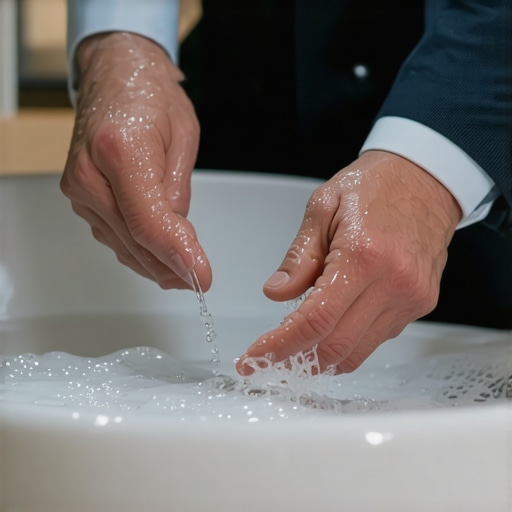
If your suit is made of wool or delicate fabric, hand washing is often safest. Fill a basin with lukewarm water and add a gentle, organic detergent designed for wool or delicate fabrics. Submerge the suit and gently agitate it, avoiding wringing or twisting, which can distort the shape. Rinse thoroughly with cool water. I experimented with this method on a vintage wool coat, and it preserved the fabric’s integrity while removing odors effectively.
Eco-Friendly Dry Cleaning
For most suits, especially those with complex cuts or linings, eco-friendly dry cleaning is recommended. Look for local Tampa Bay services that use organic solvents like liquid carbon dioxide or silicone-based solutions. These are safer for your health and the environment. I once dropped off my suit at a place that used organic solvents, and the results were excellent—no chemical smell and no fabric damage.
Handling and Drying
After cleaning, carefully reshape your suit. Hang it on a padded hanger to maintain its form, avoiding wire hangers that can distort the shoulders. Allow it to air dry in a well-ventilated space, away from direct sunlight which can fade colors and weaken fibers. During a time I tried to speed dry my suit in the sun, I noticed it lost some of its color—so patience is key.
Finishing Touches
Once dry, gently steam the suit to remove wrinkles and refresh the fabric. Use a handheld steamer with distilled water, which prevents mineral deposits. If you don’t have a steamer, hanging the suit in a steamy bathroom can help. I once hung my suit in the bathroom while taking a hot shower, and it looked professionally pressed afterward.
Finally, consider a light spray of a natural fabric refresher made from essential oils like lavender or lemon. This adds a fresh scent without synthetic fragrances. I personally favor homemade sprays—you can find recipes online that use vodka, water, and essential oils, creating a natural, chemical-free fragrance.
By following these steps, you ensure your suits stay pristine, safe, and environmentally friendly, all while maintaining a professional appearance. For more tailored advice on suit care, check out cost-effective eco-friendly cleaning options or contact local Tampa Bay specialists who prioritize organic methods here.
Many people assume that all eco-friendly suit cleaning methods are equally effective or that they are simply a marketing gimmick. In reality, the nuances between different organic solvents and cleaning techniques can significantly impact the results and the longevity of your suits. For example, some green solvents like liquid carbon dioxide are highly effective at removing stains and odors without compromising fabric integrity, but they require specialized equipment and training to use properly. Conversely, lesser-known organic solutions may not deliver the same level of cleaning, especially for tough stains or heavily soiled garments.
One common myth is that eco-friendly cleaning always costs more. While some premium services do charge a premium, many Tampa Bay providers now offer affordable organic options that match traditional prices—it’s about choosing the right partner. Check out eco-friendly suit dry cleaning to find affordable, safe, and effective solutions.
Another misconception is that organic solvents are less safe or less effective. This couldn’t be further from the truth. Certified organic and non-toxic solvents undergo rigorous testing and are approved by environmental agencies. They are designed to be as effective as traditional chemicals but without the harmful side effects. For instance, many organic options are hypoallergenic, making them ideal for sensitive skin—something that traditional solvents often lack.
What Advanced Readers Should Know: Are Organic Cleaning Methods Truly Sustainable?
For those seeking a deeper understanding, it’s important to recognize that sustainability isn’t just about avoiding chemicals; it also involves the lifecycle impact of the cleaning process. According to a 2022 study published in the Journal of Sustainable Manufacturing, eco-friendly cleaning methods reduce water usage, energy consumption, and chemical waste, contributing to a lower carbon footprint. However, some organic solvents may require energy-intensive equipment, so choosing a provider that balances efficacy, environmental impact, and operational efficiency is key.
Have you ever fallen into this trap? Let me know in the comments. Remember, the right choice in suit cleaning isn’t just about avoiding chemicals but understanding the nuances that make each method suitable for your wardrobe and your values. For tailored advice or to explore more about eco-friendly suit care, visit contact us.
Maintaining your suits with precision and the right tools ensures longevity and optimal appearance, especially when prioritizing eco-friendly methods. One of my favorite tools is a high-quality handheld steamer, like the Jiffy Esteam, which I use regularly to refresh suits and remove wrinkles without risking fabric damage. Its compact design makes it perfect for quick touch-ups at home or on the go, and it heats up rapidly, saving time during busy mornings.
Another indispensable tool is a garment steamer with a fabric brush attachment. Unlike traditional irons, steamers gently relax fibers and remove odors simultaneously, making them ideal for delicate wool or organic fabrics. I personally prefer models with adjustable steam settings, such as the Rowenta X-Cel, which offers precise control and reduces the risk of over-saturation—crucial for maintaining the integrity of organic fabrics.
For routine maintenance, I recommend using a soft garment brush made from natural bristles. It’s excellent for removing surface dirt, dust, or lint between cleanings, preventing the buildup that can degrade fabric over time. Regular brushing also helps maintain the suit’s natural sheen and texture, especially for wool or silk blends.
Investing in high-quality hangers made from sustainable materials like bamboo or recycled plastic is a small but impactful step. Proper hangers help preserve the suit’s shape, especially around the shoulders and lapels, which can warp with improper storage. I always opt for padded hangers for suits to avoid creases and maintain a crisp silhouette.
When it comes to long-term results, scheduling professional eco-friendly cleaning sessions at regular intervals—about every 6-8 wears—keeps your suits looking their best. Choosing providers that use organic solvents or CO2 cleaning methods ensures your wardrobe remains free of harmful chemicals and is better for the environment. For convenience, I recommend exploring affordable pressed suit delivery services that specialize in eco-friendly cleaning.
Looking ahead, I predict that technological innovations like ultrasonic cleaning devices will become more accessible for home use, further enhancing sustainable suit maintenance. These methods promise even gentler, chemical-free cleaning while offering professional-grade results. Until then, maintaining your suits with the tools I’ve outlined will ensure they stay pristine and durable over years of wear.
How do I maintain my suits over time?
Consistent care is key. Store suits in breathable garment bags to prevent dust buildup and fabric deterioration. Regularly inspect for stains or odors, and address them promptly with natural spot cleaners. Using a fabric steamer after each wear helps relax fibers and remove minor odors, extending the time between professional cleanings. Remember, gentle handling and proper storage are just as important as the cleaning process itself to keep your suits looking sharp for years to come.
The Hardest Lesson I Learned About Non-Toxic Suit Care
One of the biggest revelations in my journey was realizing that not all organic solvents are created equal. Early on, I trusted a popular green cleaning brand without digging deeper, only to find that their method didn’t fully remove stubborn stains or odors. That taught me that truly effective eco-friendly suit cleaning requires understanding the nuances of each technique and solution, rather than just relying on buzzwords.
3 Myths About Organic Suit Cleaning That Held Me Back
Myth 1: Organic means less effective. I discovered that with proper equipment and trained technicians, organic solvents can outperform traditional chemicals, especially on delicate fabrics.
Myth 2: Eco-friendly cleaning costs more. Actually, many Tampa Bay providers now offer affordable organic options, making sustainability accessible for everyone.
Myth 3: All green cleaning methods are the same. The truth is, the choice of solvent and process impacts the longevity and appearance of your suits significantly, so selecting a specialist matters.
What Experts Won’t Tell You About Suit Preservation
Most dry cleaners don’t emphasize the importance of proper storage post-cleaning. Using breathable garment bags and correct hanging techniques can extend your suit’s life. Also, regular at-home maintenance with a natural fabric steamer and gentle brushing can keep your suits looking sharp between professional cleanings. These small but impactful steps are often overlooked but make a big difference in maintaining fabric integrity and appearance.
My Essential Toolkit for Eco-Friendly Suit Maintenance
- High-Quality Padded Hangers: They preserve shape and prevent shoulder warping. I prefer sustainable materials like bamboo for an eco-conscious choice.
- Portable Fabric Steamer: A reliable steamer, such as the Rowenta X-Cel, is perfect for quick refreshes and smoothing wrinkles without damaging organic fabrics. I use mine weekly.
- Natural Spot Cleaner: Homemade solutions with baking soda and water are my go-to for treating stains without risking fabric damage.
- Soft Natural Bristle Brush: It keeps dust and lint at bay, ensuring the fabric stays crisp and clean.
Keep Moving Forward: Your Next Step in Sustainable Suit Care
Embracing eco-friendly suit cleaning isn’t just a trend; it’s a commitment to your health and the environment. With the right tools, knowledge, and local Tampa Bay resources, you can ensure your wardrobe remains pristine and sustainable for years to come. Remember, the future of suit care is about balance—effective cleaning with minimal environmental footprint. So, why not start today and make a positive change for your wardrobe and our planet?
What’s been your biggest challenge with maintaining suits sustainably? Share your experiences below—I’d love to hear your story!